
 English
 Deutsch
 Italia
July 13, 2026
Tsavo’s Red Elephants: Myths, Legends, and Wildlife
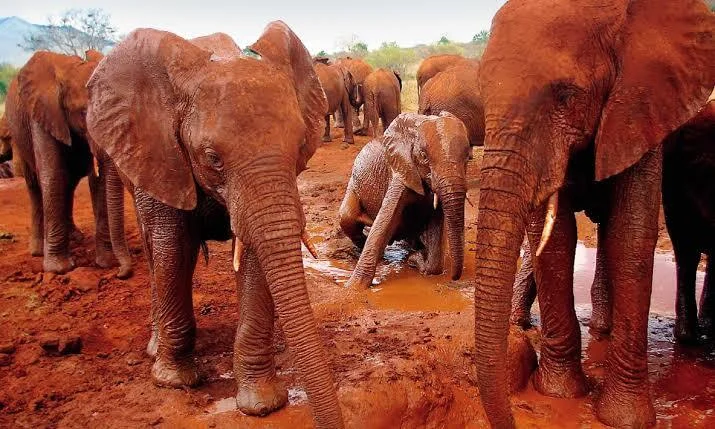
In the vast and rugged landscapes of Tsavo East National Park, visitors are often captivated by a unique sight; Tsavo’s Red Elephants that seem to wear the very earth beneath their feet. These majestic giants have inspired a rich tapestry of myths and legends, woven by local communities and safari enthusiasts alike.
In this blog, we delve into the fascinating world of Tsavo’s red elephants, exploring the natural reasons behind their striking appearance, the cultural stories that surround them, and the vital role they play in the park’s ecosystem.
1. Why Are They Red? The Science Behind Tsavo’s Red Elephants

Unlike elephants in other parks, Tsavo’s elephants are famously covered in a layer of red dust, which gives them their distinctive hue.
-
The soil in Tsavo East is rich in iron oxide, creating a vibrant red dust that elephants regularly coat themselves with.
-
This behavior helps protect their sensitive skin from sunburn and insect bites.
-
The red dust also acts as a natural sunscreen and insect repellent, an essential adaptation to Tsavo’s harsh environment.
2. Myths and Legends of the Red Elephants

Local Samburu and Maasai communities have passed down stories explaining the red elephants’ mysterious color:
-
Some legends say the elephants are guardians of the red earth, carrying the spirit of the land wherever they roam.
-
Others believe the red dust is a blessing from the ancestors, marking the elephants as sacred beings.
-
Folktales describe red elephants as symbols of strength, resilience, and protection for the community.
These myths enrich the cultural landscape of Tsavo, intertwining nature with spirituality and tradition.
3. Elephants in Tsavo: Giants of the Wilderness

Tsavo East boasts one of the largest elephant populations in Kenya, with herds that are essential to the park’s ecological balance.
-
Elephants play a critical role in shaping the landscape by uprooting trees and creating water holes, benefiting other wildlife.
-
Their movements also help disperse seeds, promoting plant diversity.
-
Despite their size, Tsavo’s elephants face threats from poaching and habitat loss, making conservation efforts vital.
4. Experiencing Tsavo’s Red Elephants on Safari
Witnessing these red-coated giants in their natural habitat is a highlight for any safari traveler.
-
Early morning or late afternoon game drives provide the best chances to see elephants dust bathing or drinking at waterholes.
-
The sight of a herd coated in red dust against the backdrop of Tsavo’s iconic red earth plains is truly unforgettable.
-
Guided safaris often include fascinating insights into elephant behavior and their cultural significance.
5. Conservation: Protecting the Red Giants
Conservation initiatives in Tsavo East focus on:
-
Combating poaching through ranger patrols and community involvement.
-
Promoting coexistence between elephants and local communities to reduce human-wildlife conflict.
-
Supporting research that helps understand elephant behavior and health.
These efforts ensure that the red elephants continue to roam freely for generations to come.
The red elephants of Tsavo East are more than just wildlife—they are living legends, carrying the stories of the land and its people. Whether through scientific wonder or ancient myth, these magnificent creatures captivate all who encounter them.
Next time you visit Tsavo, look closely at those red-coated giants—they are the heart and soul of this extraordinary wilderness. Ready to meet Tsavo’s red elephants? Plan your next safari to Tsavo East National Park and immerse yourself in the magic of Kenya’s wild heart.
Don’t forget your camera—the red elephants of Tsavo make for unforgettable photos!


