
 English
 Deutsch
 Italia
October 22, 2025
Masai Mara Magic: 5 Wild Reasons to Visit (and What You Need to Know Before You Go!)
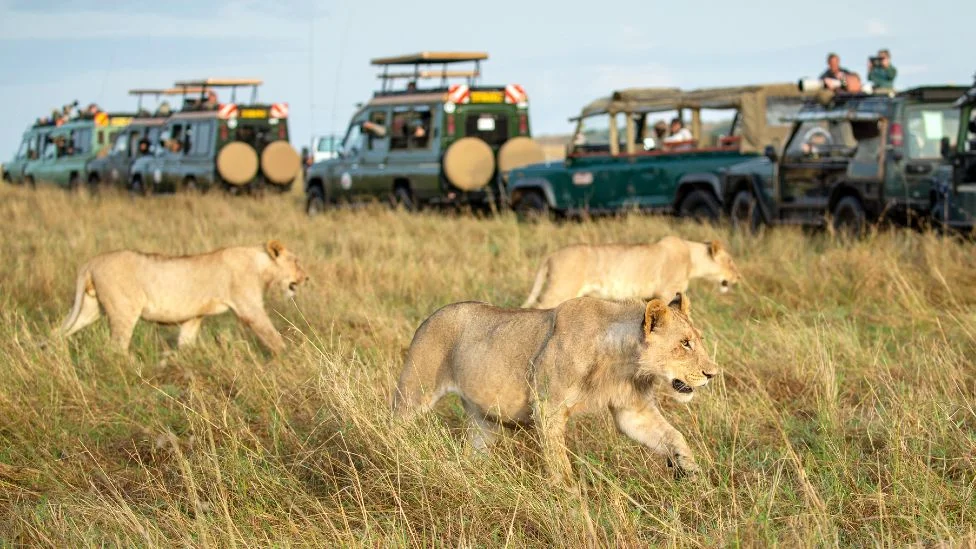
Looking for the ultimate African safari destination? There’s a reason why Masai Mara National Park tops every traveler’s bucket list. Located in southwest Kenya, this world-famous reserve is a wild wonderland of rolling savannahs, roaring lions, and jaw-dropping views. But beyond the hype, why do so many travelers make their way here each year? Here is s break down of the top 5 reasons why Masai Mara is a bucket-list safari destination plus essential tips on the Big Five, dress code, 12-hour rule, the best parts of the park, and when you might want to avoid visiting.
1.Witness the Great Migration: Nature’s Grandest Show

No Netflix drama, no Hollywood film nothing compares to the Great Migration. Between July and October, over 1.5 million wildebeests, zebras, and gazelles thunder across the plains from the Serengeti to Masai Mara. Their mission? Survival. Your mission? Witnessing it as millions of wildebeests, zebras, and gazelles battling crocodile-infested rivers and dodging stealthy predators. This is the Great Migration a once-in-a-lifetime wildlife spectacle that feels straight out of a documentary.
2.Home of the Big Five: Africa’s Most Iconic Wildlife

The Big Five are the superstars of any African safari and Masai Mara is one of the best places on Earth to see them. Unlike many parks where you’ll need days (or luck) to spot them all, here your chances are high on just a few game drives. The park is home to over 95 mammal species and 570 bird species, thanks to its diverse ecosystems of open plains, riverine forests, and acacia woodlands, Masai Mara offers year-round game viewing with spectacular sightings guaranteed.
3. Meet the Maasai: Culture, Color & Courage

Masai Mara isn’t just about animals it’s a cultural treasure trove. The land is home to the Maasai people, known for their rich traditions, bright red attire, ancient warrior traditions and beadwork. Many safari tours include visits to Maasai villages where you can witness traditional dances, learn about their sustainable lifestyle, and buy authentic crafts.
4. Your Safari, Your Style: Drive, Fly, or Walk

Masai Mara isn’t one-size-fits-all; you can cruise the savannah in a 4×4, soar above the plains in a hot air balloon at sunrise, trek on foot during a walking safari, or spy nocturnal creatures on a night drive in private conservancies. Every experience offers a different view of the wild and a new story to tell.
5.Stay in Style; From Budget to Luxury

Whether you’re backpacking Africa or indulging in a 5-star escape, Masai Mara’s accommodations range from rustic camps to ultra-luxury lodges. Top features include:
- Lodges with panoramic views of the plains
- Camps along migration routes
- Private conservancies with exclusive safari access
- Eco-friendly and sustainable tourism practices
You’ll fall asleep to the sounds of nature, without giving up the comforts of modern living.
What Else Should You Know Before You Go to Masai Mara?
1.What’s the “12-Hour Rule” in Masai Mara?
The 12-hour rule refers to the general guideline of spending a maximum of 12 hours per day in the park, usually between 6 AM and 6 PM. Why?
- Wildlife is most active at dawn and dusk
- Conserves energy and avoids stress for animals
- Keeps you safe and within park regulations
- It gives guides and vehicles a break too!
You’ll get the best sightings in these windows and plenty of time to relax at your camp in between. Don’t worry 12 hours in the Mara feels like a lifetime of memories.
2.What Should You Wear on Safari? (Masai Mara Dress Code)
Safari style is all about comfort, practicality, and blending in with nature; think neutral tones like khaki, brown, and olive green; layered clothing for cool mornings and hot afternoons; sturdy closed shoes or boots for walking safaris; and essentials like hats and sunglasses for sun protection.
Avoid:
- Bright colors: Can startle animals
- Camouflage: Illegal in Kenya for civilians
- Strong perfumes: Attract insects
3.When Should You Avoid Masai Mara?
The park is open year-round, but here are a few times when you may want to think twice:
- April – June: Long rains. Roads can get muddy and some areas become inaccessible
- January – February: Hot and dry. Fewer water sources can affect animal movement
- Late July – August: Peak migration = incredible sightings but also peak crowds and prices, book early.
If you want great game viewing without the chaos, consider early July or mid-October offer the best of both worlds’ migration and fewer tourists.
4. Which Part of Masai Mara Is Best?
Masai Mara is divided into several areas, each offering a unique experience.
Mara Triangle
- Less crowded
- Excellent game viewing
- Managed separately with better infrastructure
- Great for first-timers
Central Reserve
- Closer to migration routes
- More lodges = more crowds
- Best during the Great Migration season
Private Conservancies (e.g., Olare Motorogi, Naboisho)
- High-end, exclusive lodges
- Off-road game drives & night safaris
- Ideal for luxury travelers and photographers
Ready to book your dream Masai mara safari
Let US craft your perfect Masai Mara escape with tailor made safari packages, expert guides, and unforgettable moments. Book now


