 English
 Deutsch
 Italia
February 26, 2026
How to Spot the Big Five on Your Kenya Safari: Tips & Best Time to Visit in 2026

Kenya is home to some of the world’s most iconic wildlife, including the Big Five: lion, leopard, elephant, buffalo, and rhinoceros. Spot the big five majestic animals on a safari which is a dream for many travelers, and with the right strategies, you can maximize your chances. This guide provides expert tips, the best time to visit, and practical advice to make your Kenya safari an unforgettable experience.
What Are the Big Five?
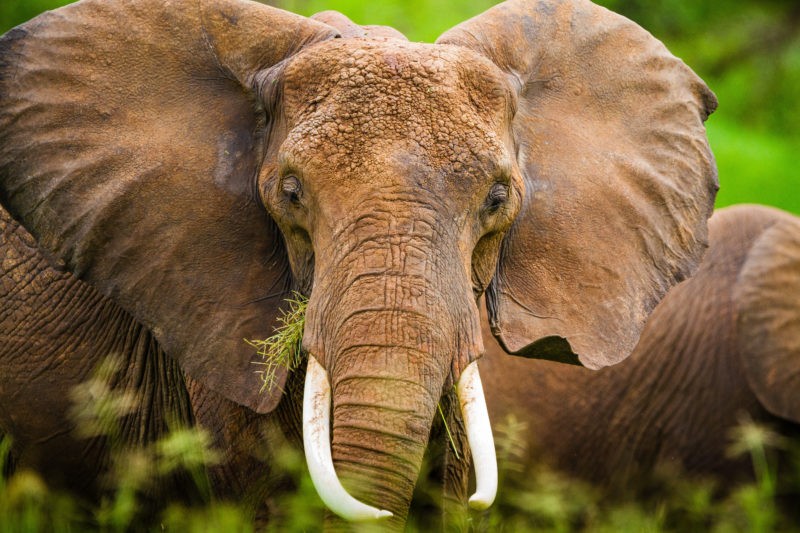
The term “Big Five” originally referred to the five most challenging animals to hunt on foot, but today it represents a bucket-list wildlife experience. The Big Five are:
- Lion – Often found in open savannahs and grasslands.
- Leopard – Elusive and nocturnal; best spotted in woodlands and rocky outcrops.
- Elephant – Found in large herds in national parks and reserves.
- Buffalo – Often in wetlands or grasslands, usually in large groups.
- Rhinoceros – Black and white rhinos are rare and mostly found in protected areas like Nairobi National Park and Lewa Wildlife Conservancy.
Best Places to Spot the Big Five
Masai Mara National Reserve

Masai Mara National Reserve, one of Kenya’s most famous and iconic wildlife destinations, is renowned for its exceptionally dense populations of majestic lions, elusive leopards, and massive elephants, while its vast, open plains and gently rolling landscapes provide excellent visibility, making it significantly easier for visitors and safari enthusiasts to spot and observe wildlife in their natural habitat.
Amboseli National Park

Amboseli National Park, one of Kenya’s most celebrated and picturesque wildlife destinations, is especially renowned for its enormous herds of majestic elephants, which roam freely across the expansive savannah with the awe-inspiring backdrop of snow-capped Mount Kilimanjaro towering in the distance. In addition to these iconic elephants, the park provides exceptional opportunities for safari-goers and wildlife enthusiasts to witness impressive sightings of lions, powerful buffalo, graceful giraffes, and numerous other species of African wildlife, all thriving in their natural, unspoiled habitats, making Amboseli a truly unforgettable destination for nature lovers and photographers alike.
Tsavo East & West National Parks

Tsavo East and West National Parks, two of Kenya’s largest and most iconic wildlife reserves, are home to impressive populations of elephants and rhinos, as well as a wide variety of other African wildlife. Known for their remote and rugged landscapes, these parks are less crowded than many other safari destinations, making them ideal for adventurous travelers seeking an authentic, off-the-beaten-path safari experience amid vast savannahs, volcanic hills, and sweeping plains teeming with wildlife.
Nairobi National Park

Nairobi National Park, uniquely located just a short drive from the bustling city of Nairobi, offers the rare opportunity to spot black rhinos and a variety of other wildlife against the striking backdrop of urban skyscrapers. Its convenient location and compact size make it an ideal destination for travelers with limited time who still wish to experience an authentic Kenyan safari without venturing far from the city.
Tips to Spot the Big Five
- Go with Experienced Guides – Professional rangers know animal behaviors and tracking techniques.
- Early Morning or Late Afternoon Drives – Animals are more active during cooler hours.
- Patience & Silence – Move quietly and avoid sudden movements to increase sightings.
- Use Binoculars – Helps spot distant animals, especially leopards in trees or hidden in bushes.
- Follow Animal Tracks and Signs – Droppings, footprints, and paw marks can lead you to elusive species.
Best Time to Visit Kenya for Big Five Safaris
- Dry Season (June to October) – Ideal for wildlife spotting as animals gather around water sources and vegetation is sparse.
- Short Rains (November & December) – Offers fewer crowds and lush scenery, but animals may be more dispersed.
- Avoid Peak Rainy Season (April to May) – Roads may be muddy, and animal sightings are less predictable.
Additional Safari Tips
- Carry sunscreen, a hat, and insect repellent.
- Bring a camera with a zoom lens for wildlife photography.
- Wear neutral-colored clothing to blend into the environment.
- Stay hydrated and pack snacks for long game drives.