
 English
 Deutsch
 Italia
October 27, 2025
Elsa the Lioness of Meru National Park: The True Story That Changed Wildlife Conservation Forever
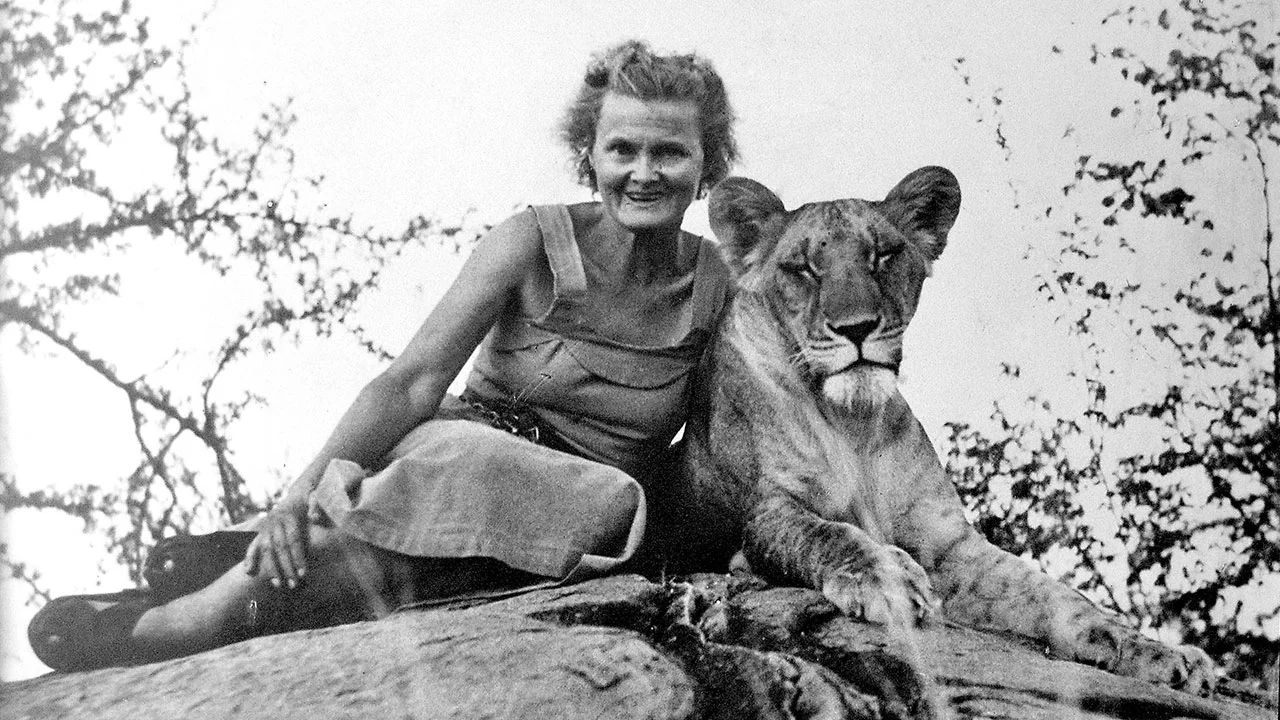
Nestled in the heart of Kenya, Meru National Park is more than just an African wildlife sanctuary; it’s the birthplace of one of the most remarkable conservation stories ever told: the story of Elsa the Lioness. Her journey from orphaned cub to wild icon captivated the world and forever changed the way humans view wild animals.
The Beginning: Orphaned in the African Wilderness

In 1956, game warden George Adamson and his wife Joy Adamson rescued three orphaned lion cubs after their mother was killed ( in self defense by Adamson himself) near the Ura River in Meru National Park. Among the cubs was a spirited young lioness named Elsa.
Unlike most rescued animals at the time, Elsa was not destined for captivity. The Adamsons made a radical choice, to raise her in a way that would allow her to return to the wild. This daring decision would change conservation history forever.
Raising Elsa: Between Wild and Human Worlds
The Adamsons dedicated themselves to raising Elsa with minimal human dependence. They taught her to hunt, survive, and thrive in the wild, preparing her for the day she would walk free in Meru National Park. Their deep emotional bond, captured vividly in Joy Adamson’s best-selling book Born Free, revealed a new perspective on wildlife, one that emphasized respect, empathy, and coexistence.
Born Free: The Legacy Begins

When Elsa was finally released, she thrived. She hunted successfully, roamed freely, and even had cubs of her own, proof that a wild animal raised by humans could return to nature. Her success was revolutionary, inspiring new approaches to wildlife rehabilitation and conservation.
For years, the Adamsons would occasionally spot Elsa from afar, recognizing her by her grace and the unmistakable golden glow of her coat beneath the African sun.
Elsa’s Final Days: Death in the Heart of Meru

In 1961, tragedy struck. Elsa became ill after a brief illness thought to be babesiosis, a disease spread by ticks. Despite George and Joy’s desperate attempts to save her, Elsa the Lioness died peacefully in George’s arms; a heartbreaking end to one of the most extraordinary human-animal bonds ever recorded.
She was buried beneath a tamarind tree in the heart of Meru National Park, near the banks of the Ura River where she once played as a cub. The site is marked by a simple stone plaque engraved with her name and a moving tribute: “Elsa the Lioness – Born Free, Died Free.”
Elsa’s Grave: A Place of Pilgrimage and Reflection
Today, Elsa’s grave remains one of Meru National Park’s most visited landmarks. Set against a backdrop of rolling hills and whispering acacia trees, it’s a quiet, sacred place that symbolizes the power of compassion and coexistence between humans and wildlife.
Visitors can reach the site through, which overlooks the Adamsons’ former camp and offers breathtaking views of the park that Elsa once called home. Standing at her grave, many travelers describe a profound sense of connection; a reminder that her story is more than history; it’s a living legacy.
Elsa’s Enduring Impact on Conservation
Elsa’s influence reshaped global conservation thinking. Her story inspired the creation of the Born Free Foundation and the Elsa Conservation Trust, both dedicated to protecting wild animals and their natural habitats.
Her life demonstrated that wild creatures deserve freedom, respect, and the right to live without human domination. To this day, Elsa the Lioness of Meru National Park remains a symbol of hope for every endangered species fighting for survival.
Visiting Meru National Park: Walking in Elsa’s Footsteps
Modern visitors to Meru National Park can experience Elsa’s world firsthand. The park’s diverse ecosystem includes elephants, rhinos, leopards, and over 400 bird species. Many safari-goers stay at Elsa’s Kopje, a luxury lodge built on the very site of the Adamsons’ original camp.
Exploring Meru isn’t just a safari, it’s a journey into one of the most touching true stories in wildlife history.


