
 English
 Deutsch
 Italia
November 15, 2025
Best Time to Visit Mount Elgon National Park for Trekking and Wildlife
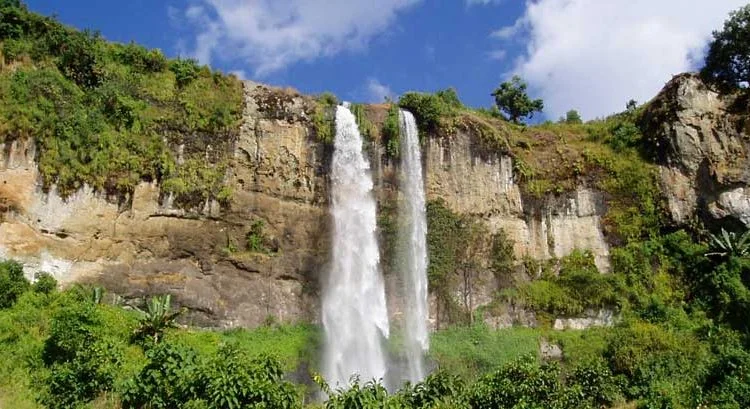
Mount Elgon National Park, a magnificent volcanic mountain on the Kenya-Uganda border, offers outstanding trekking routes and rich wildlife. Choosing the right time to visit is essential to enjoy the best trail conditions and maximize wildlife sightings. This guide highlights the optimal seasons for trekking and wildlife experiences in Mount Elgon National Park.
Ideal Seasons for Visiting Mount Elgon National Park

1. Dry Season (June to September)
Why Visit: The dry season offers ideal conditions for trekking Mount Elgon National Park, with bright, clear skies and minimal rainfall. It’s the perfect time for outdoor enthusiasts to explore the reserve’s scenic trails without weather interruptions.
Trail Conditions: Trails remain firm and dry, reducing the risk of slipping. This makes hiking more comfortable, safe, and enjoyable, especially for those tackling steep or forested sections.
Wildlife Viewing: With limited water sources, wildlife tends to gather around rivers and watering holes, providing excellent opportunities for spotting elephants, antelopes, and other animals in their natural habitats.
Weather: Expect pleasantly warm days and cool, refreshing nights—ideal for both camping and trekking adventures in Shimba Hills.
2. Short Dry Season (December to February)
Why Visit: This season offers another great opportunity to explore Shimba Hills, with relatively dry weather and lush, green landscapes that come alive after light rains. It’s a perfect time for nature walks, photography, and scenic exploration.
Trail Conditions: The trails remain generally easy to navigate, though you may encounter occasional light showers that add freshness to the surroundings without hindering your trek.
Wildlife Viewing: It’s an excellent period for birdwatching, as many bird species become active and vibrant after the rains, filling the forest with song and color. Wildlife is also easier to spot against the rejuvenated vegetation.
Weather: Expect pleasantly warm days with cooler, refreshing evenings—ideal for hiking, camping, and outdoor adventures in the reserve.
3. Rainy Seasons (March to May and October to November)
Challenges: During this season, the trails can become muddy, slippery, and more challenging to navigate, especially on steep or forested paths. Hikers should be prepared for slower progress and take extra caution to ensure safety.
Wildlife Viewing: While some animals may be harder to spot as they retreat deeper into the forest, the reserve transforms into a lush, vibrant paradise. The greenery and blooming vegetation make it a beautiful time for photography and birdwatching.
Note: Heavy rains can occasionally affect road access and limit certain outdoor activities. Visitors are advised to check weather conditions in advance and carry appropriate rain gear and footwear for a comfortable experience.
Wildlife Highlights by Season

-
Elephants: Frequently seen year-round but gather near salt licks in dry periods.
-
Birdwatching: Peak diversity post-rainy seasons with over 300 bird species recorded.
-
Primates and Antelopes: Visible throughout the year, with better sightings during dry spells.
Conclusion
For the best trekking and wildlife viewing experience at Mount Elgon National Park, plan your visit during the dry seasons from June to September or December to February. These periods offer favorable weather, safer trails, and vibrant wildlife activity for an unforgettable adventure.
Ready to experience the best of Mount Elgon National Park? Contact us today to book your guided trekking tour and wildlife safari during the ideal season for an epic Kenyan mountain adventure!


