
 English
 Deutsch
 Italia
July 13, 2026
Tsavo East National Park 2026: The People And Wildlife Living on the Edge of Wilderness
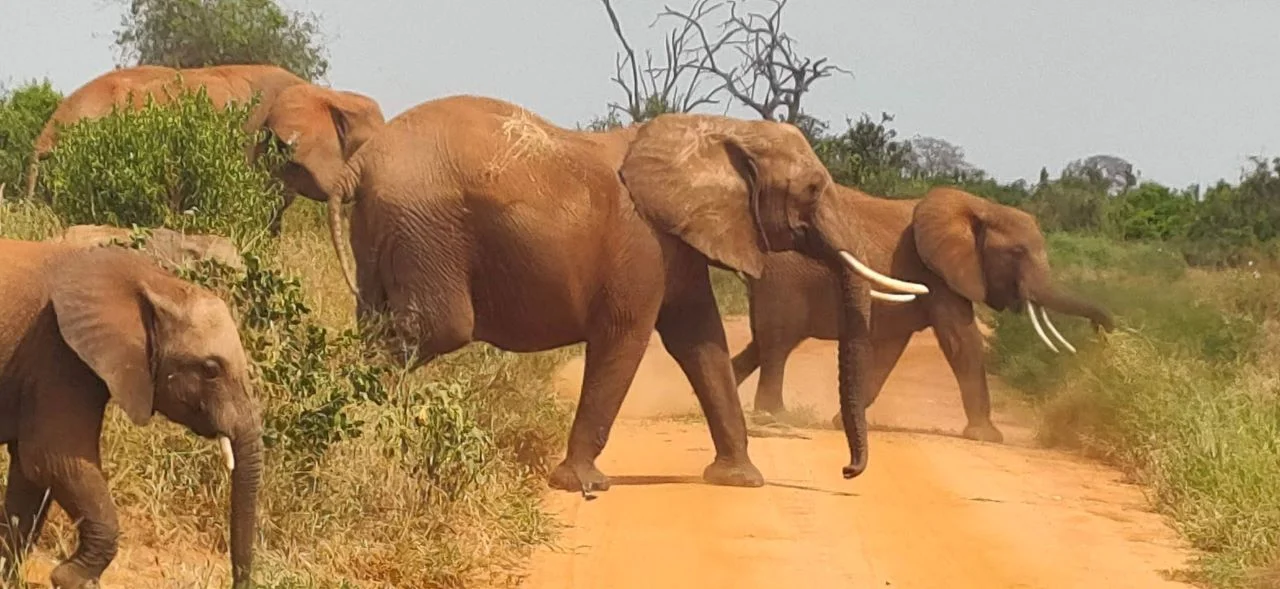
Nestled within the sprawling savannahs and vibrant red earth of Tsavo East National Park lies a remarkable story—not just of wildlife, but of the resilient people who live alongside some of Africa’s most majestic animals. Here, on the edge of wilderness, local communities and wildlife share a delicate balance shaped by centuries of tradition, challenges, and mutual respect.
This blog explores the interconnected lives of the people and wildlife of Tsavo East—a compelling story of coexistence, conservation, and culture that defines this extraordinary region.
1. The People of Tsavo East: Guardians of the Land

The lands surrounding Tsavo East are home to the Samburu and Maasai communities, pastoralist peoples known for their rich culture and deep connection to the land.
-
Their traditional way of life revolves around livestock herding, which is adapted to the arid, rugged environment.
-
Community elders play a vital role in maintaining harmony between people and wildlife, using age-old knowledge passed through generations.
-
Many families depend on community-based tourism initiatives, offering cultural experiences to safari visitors.
2. Wildlife of Tsavo East: Giants and Beyond

Tsavo East National Park is renowned for its remarkable diversity of wildlife and is one of Kenya’s premier safari destinations throughout the year.
-
Elephants: The park is home to one of the country’s largest elephant populations, with the iconic “red elephants” famously coated in the park’s distinctive red volcanic dust
-
Lions: Visitors also have the chance to encounter majestic lions, whose powerful roars often echo across the plains long before they come into view.
-
Leopards and cheetahs: The elusive leopard and the swift cheetah thrive within Tsavo East’s vast wilderness, offering unforgettable sightings for fortunate safari-goers
-
In addition, the park supports large herds of African buffalo, graceful Masai giraffes, plains zebras, and a rich variety of antelope species. Bird enthusiasts will be delighted by the hundreds of bird species that inhabit the park, from colorful kingfishers and hornbills to impressive birds of prey. Together, this incredible abundance of wildlife makes Tsavo East a vibrant and thriving ecosystem, providing exceptional game-viewing experiences
3. The Human-Wildlife Interface: Challenges and Solutions
Living so close to wild animals comes with unique challenges:
-
Human-wildlife conflict: Livestock predation and crop damage are common issues faced by local communities.
-
Safety concerns: Encounters with large animals can be dangerous, requiring constant vigilance.
-
Resource competition: Water and grazing land are vital for both people and wildlife, especially during dry seasons.
Community-Led Solutions:
-
Conservation education: Local groups work to raise awareness about coexistence strategies.
-
Wildlife corridors: Established to allow safe passage for animals while reducing encounters with humans.
-
Compensation programs: Some initiatives compensate herders for livestock lost to predators, promoting tolerance.
4. Cultural Tourism: Sharing Stories and Traditions

Tourism in Tsavo East isn’t just about spotting wildlife—it’s about experiencing the rich culture of its people:
-
Visitors can participate in traditional Samburu and Maasai dances, jewelry making, and storytelling sessions.
-
Guided visits to local villages provide insights into pastoralist lifestyles and community resilience.
-
Cultural tourism supports community development projects, education, and conservation efforts.
5. Conservation Efforts Bridging People and Wildlife
Tsavo East is a hub of innovative conservation programs that include:
-
Community conservancies where locals take part in protecting wildlife and generating income through eco-tourism.
-
Partnerships with NGOs focusing on anti-poaching, habitat restoration, and sustainable livelihoods.
-
Research initiatives studying animal behavior and human impact to develop better coexistence models.
Conclusion
Living on the edge of wilderness in Tsavo East means embracing a world where the rhythms of nature and human life intertwine deeply. The stories of the Samburu and Maasai people, alongside the majestic wildlife, remind us that conservation is not just about animals—it’s about communities and their enduring connection to the land.
When you visit Tsavo East, you don’t just witness wildlife—you become part of a larger story of coexistence, respect, and hope for the future.
Interested in responsible travel? Support community-based tourism in Tsavo East and experience firsthand the inspiring lives of the people who live alongside Kenya’s wild giants.
Want to learn more about Tsavo East’s culture and conservation? Follow our blog for updates, travel tips, and exclusive stories.


