 English
 Deutsch
 Italia
November 17, 2025
What is the Difference Between Hiking, Trekking, and Climbing? Full Explanation
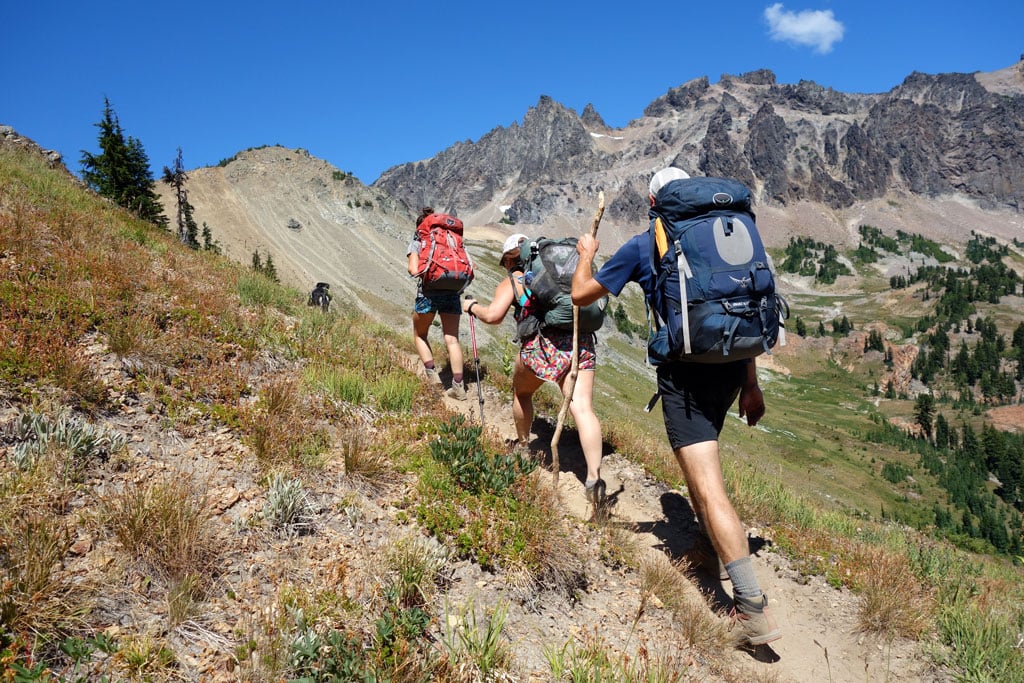
If you love outdoor adventures or safaris are planning your first nature expedition, understanding the difference between hiking, trekking, and climbing is essential. Though these activities may seem similar, each offers a unique experience, challenges, and skill requirements. In this comprehensive guide, we’ll break down what sets hiking, trekking, and climbing apart to help you choose the right adventure for you.
What is Hiking?
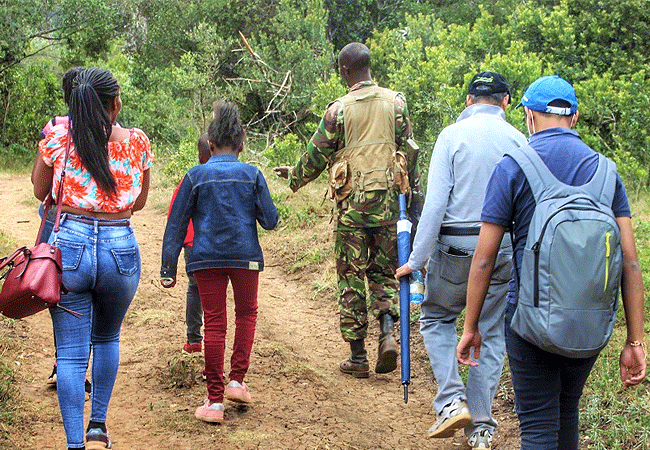
Hiking is the most accessible of the three outdoor activities. It generally involves walking along well-marked trails, often located within national parks, nature reserves, or scenic landscapes, offering a chance to enjoy the outdoors, get some exercise, and connect with nature.
-
Terrain: Easy to moderate, well-defined trails suitable for all ages.
-
Duration: Typically short day trips, ranging from a couple of hours to a full day, making it ideal for a relaxed outdoor experience.
-
Skills: Requires only basic fitness, comfortable walking ability, and simple navigation skills.
-
Equipment: Comfortable shoes, sufficient water, snacks, and light gear such as a hat or a small backpack.
Hiking is perfect for beginners, families, and casual adventurers who want to experience stunning landscapes, panoramic views, and fresh air without engaging in strenuous or technical physical activity. It’s a wonderful way to immerse yourself in nature at your own pace.
What is Trekking?
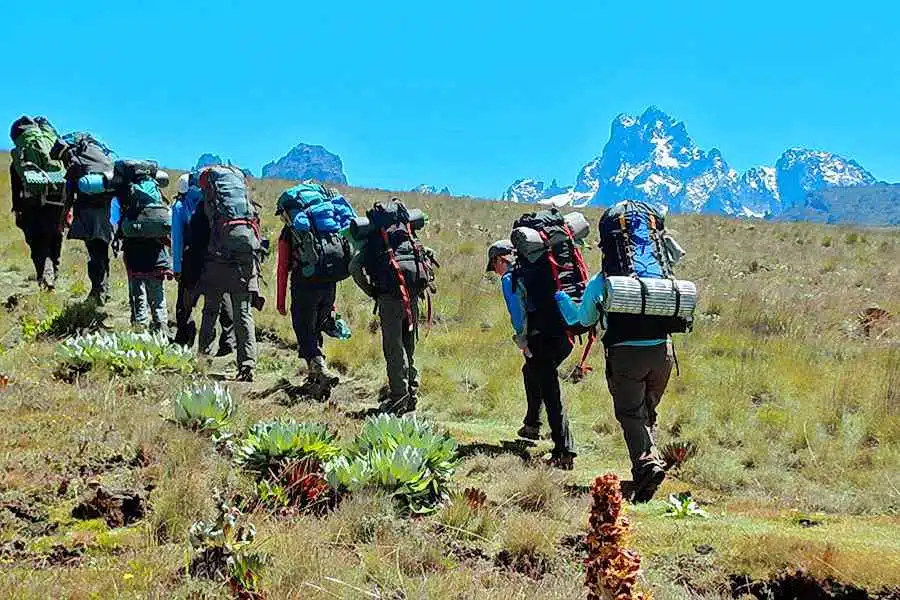
Trekking elevates hiking to a more adventurous level, involving longer and more physically demanding journeys through remote, rugged, and often breathtaking terrain. These expeditions usually take participants off the beaten path, allowing them to experience nature, wildlife, and local cultures in a way that short hikes cannot offer.
-
Terrain: Rough, less defined trails that traverse mountains, forests, valleys, or wilderness areas, often requiring careful navigation.
-
Duration: Multi-day journeys that may involve camping under the stars, staying in mountain lodges, or moving between remote villages.
-
Skills: Requires good physical endurance, strong navigation abilities, and sometimes basic survival skills to handle unexpected challenges.
-
Equipment: A well-packed backpack with camping gear, sturdy boots, clothing suited to changing weather, sufficient food and water, and essential safety items.
Trekking is ideal for adventure seekers and nature enthusiasts who want to push their limits, uncover hidden landscapes, and immerse themselves fully in the environment and local traditions. It’s a rewarding experience that combines physical challenge with the thrill of discovery.
What is Climbing?
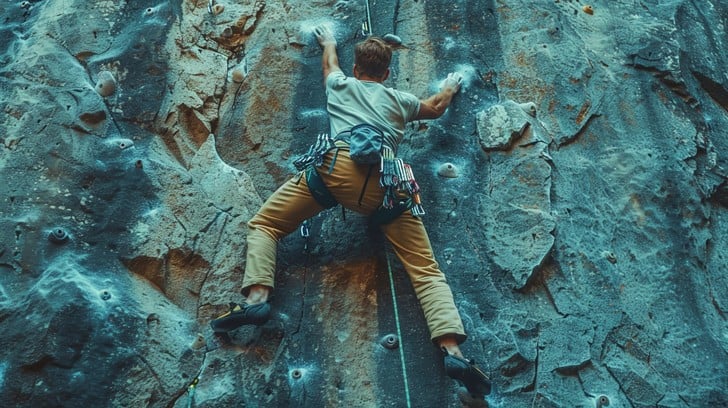
Climbing is a highly technical and challenging outdoor activity that involves ascending steep rock faces, mountains, or ice walls. Unlike hiking or trekking, climbing demands specialized skills, precision, and careful planning, making it ideal for thrill-seekers and those seeking both a physical and mental challenge.
-
Terrain: Vertical or near-vertical rock faces, icy slopes, or mixed surfaces requiring technical maneuvers.
-
Duration: Can vary from a few intense hours on smaller cliffs to multi-day expeditions on large mountains or alpine routes.
-
Skills: Requires advanced physical strength, endurance, mastery of climbing techniques, and thorough knowledge of safety protocols.
-
Equipment: Specialized gear including ropes, harnesses, helmets, carabiners, climbing shoes, protective gear, and sometimes ice axes or crampons.
Climbing offers an unparalleled sense of accomplishment and adventure, pushing participants to overcome both physical obstacles and mental barriers while experiencing some of the most awe-inspiring landscapes nature has to offer.
Summary: Hiking vs Trekking vs Climbing
| Feature | Hiking | Trekking | Climbing |
|---|---|---|---|
| Terrain | Easy/moderate trails | Remote, rugged trails | Vertical/steep rock or ice |
| Duration | Hours to one day | Several days to weeks | Hours to weeks |
| Skill Level | Basic fitness | Endurance and navigation | Technical climbing skills |
| Equipment | Minimal | Backpacking and camping gear | Specialized climbing gear |
| Purpose | Recreation, exercise | Adventure, exploration | Technical challenge, sport |
Conclusion
Understanding the differences between hiking, trekking, and climbing helps you select the right outdoor adventure based on your fitness, skills, and interests. Whether you’re taking a leisurely hike, embarking on a challenging trek, or testing your limits on a climb, each activity offers a unique way to connect with nature.
Call to Action
Ready to explore the great outdoors but not sure where to start? Contact us today for expert advice, guided tours, and gear recommendations tailored to hiking, trekking, or climbing adventures. Let’s help you make your next outdoor trip unforgettable!