 English
 Deutsch
 Italia
February 11, 2026
Discover Marsabit National Park and Reserve in 2026: Northern Kenya’s Wildlife Oasis
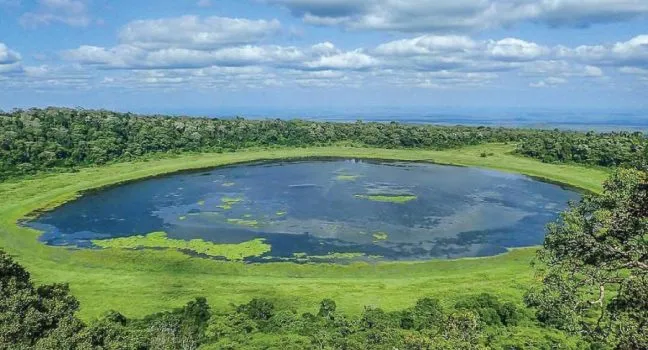
Located in the arid landscapes of Northern Kenya, Marsabit National Park and Reserve is a verdant oasis known for its lush forests, volcanic peaks, and rich wildlife. This remote sanctuary offers visitors a unique blend of ecosystems and species rarely found elsewhere, making it an extraordinary destination for adventurous travelers and nature enthusiasts.
Marsabit National Park and Reserve features a dense montane forest and three crater lakes that provide a haven for a variety of birdlife, mammals and reptiles. The lower slopes of the mountain might be scorched and dry but the richly forested scenic views around makes it just as magical and a sight to behold. The beautiful park is a refuge for the huge tusked bull elephants and was home to most famous elephant named Ahmed until his death at an estimated age of 63 years. The patriarch, Ahmed was accorded round the clock protection from poachers through a presidential decree in early 1970. A model of elephant Ahmed now stands tall at the National Museum of Kenya in Nairobi.
Diverse Wildlife In Marsabit National Park and Reserve

Marsabit National Park and Reserve is home to an impressive and diverse range of wildlife, making it a prime destination for nature lovers and safari enthusiasts. Visitors can expect to encounter:
Elephants:
Frequently spotted around the park’s natural waterholes and crater lakes, the Marsabit elephants are known for their impressive size and calm presence.
Buffaloes:
These powerful animals roam both the dense forests and the open savannahs, often seen grazing in herds.
Reticulated Giraffes:
Easily recognized by their distinct geometric patterns, these elegant giraffes wander gracefully through the park’s woodlands.
Grevy’s Zebras:
One of the world’s most endangered zebra species, Grevy’s zebras thrive in Marsabit’s unique ecosystem, offering a rare sight for visitors.
Leopards and Lions:
Although elusive and shy, these big cats inhabit the park and play a vital role in maintaining the natural balance. Lucky visitors might spot them in the early morning or late evening.
Birdlife:
Marsabit National Park and Reserve is a paradise for bird lovers, boasting over 350 recorded species. From powerful vultures and colorful hornbills to seasonal migratory birds, the park offers incredible birdwatching opportunities year-round.
Unique Landscapes and Ecosystems

Marsabit National Park and Reserve showcases a stunning blend of dramatic landscapes, ranging from ancient volcanic formations to lush highland forests and sweeping savannah plains. These diverse environments create a unique atmosphere that feels both remote and captivating. Key highlights include:
Mount Marsabit:
This extinct volcano rises majestically above the surrounding lowlands, its slopes thickly covered with misty forests. The mountain offers excellent hiking and scenic viewpoints where visitors can enjoy cool, refreshing air and panoramic vistas of the park.
Elephant Rock:
A striking volcanic rock formation naturally shaped like an elephant, this landmark is one of Marsabit’s most iconic sights. It’s a popular stop for photography and provides insight into the region’s geological history.
Lake Paradise:
A serene crater lake hidden within the forest, Lake Paradise lives up to its name with calm waters, lush vegetation, and abundant wildlife. It is an ideal spot for birdwatching, picnicking, and experiencing the peaceful side of Marsabit’s wilderness.
Activities and Attractions
Visitors to Marsabit can enjoy:
-
Game Drives: Explore the diverse habitats and spot wildlife.
-
Birdwatching: Ideal for spotting rare and endemic species.
-
Hiking: Trek through forest trails on Mount Marsabit.
-
Cultural Visits: Engage with local communities, including the Rendille and Gabra peoples.
Best Time to Visit
The optimal time to visit Marsabit National Park is during the dry seasons from January to March and July to October, when wildlife sightings are more frequent and weather conditions are favorable.
Marsabit is accessible by road from Nairobi, a journey of approximately 550 km that takes around 9 to 10 hours. Domestic flights to Marsabit airstrip are also available, providing quicker access.
Conclusion
Marsabit National Park and Reserve is a hidden gem in Northern Kenya, offering diverse wildlife, stunning landscapes, and rich cultural experiences. Its unique ecosystems and remote location make it perfect for travelers seeking off-the-beaten-path adventures.
Ready to explore the wildlife oasis of Marsabit National Park? Contact us today to plan your unforgettable safari adventure in Northern Kenya


