Introduction
They walk with ancient grace across the red earth of Samburu National Reserve, their massive feet stirring the dust of generations past. Some bear the scars of spears and bullets. Others carry the calm wisdom of mothers and matriarchs who’ve survived it all.
These are the elephants of Samburu living symbols of strength, memory, and a conservation story that will move you, not just emotionally, but to action.
In this article, we explore how Samburu became a global model for elephant conservation, and why these gentle giants hold the heart of Northern Kenya.
Why Samburu is Special for Elephants
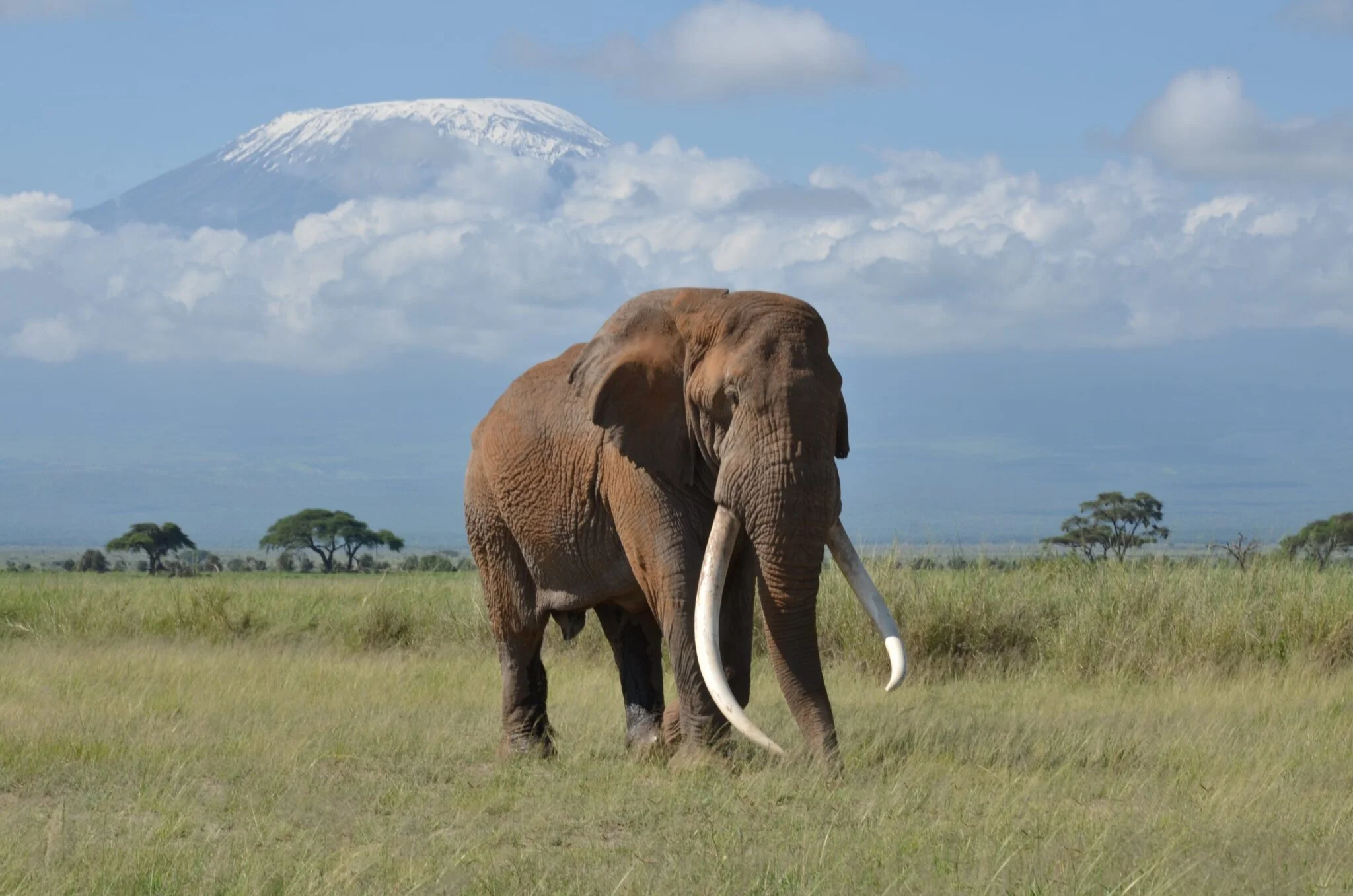
While elephants roam across many parts of Kenya, Samburu stands apart as home to one of Africa’s most closely monitored elephant populations where many individuals are known by name and tracked for decades and as the headquarters of the world-renowned Save the Elephants organization, a place where elephants are not just seen, but deeply understood, respected, and fiercely protected.
The Matriarchs: Leaders of the Herd

Elephant society is matriarchal, and in Samburu, legendary matriarchs such as Resilience, Lewa, and the late, beloved Eleanor stand as pillars of their herds, guiding extended family units across generations. Through years of experience and memory, these wise females pass down vital survival knowledge teaching safe and time-tested migration routes, locating reliable water sources during harsh droughts, and sharing learned tactics for avoiding danger, including encounters with humans ensuring the continuity, resilience, and survival of their families in a challenging landscape.
The Role of Save the Elephants
Founded by Dr. Iain Douglas-Hamilton in Samburu in 1993, Save the Elephants (STE) is at the forefront of elephant conservation in Africa.
Key Achievements:
-
GPS tracking collars to map elephant movement
-
Elephant Crisis Fund to stop ivory trafficking
-
Education programs for local youth
-
Women-led elephant monitoring teams in local communities
STE’s research has shaped global elephant protection policy, and their Samburu work has saved countless lives.
Poaching Then and Now: A Battle Fought and Not Forgotten

In the early 2000s, poaching was rampant. Ivory demand was fueling a slaughter, and Samburu’s elephants were under siege.
The Turning Point:
When local communities joined the fight through community-run conservancies, anti-poaching patrols were strengthened on the ground, and real-time tracking data began helping authorities pre-empt threats, everything started to change. At the same time, travelers increasingly chose ethical safaris, directly supporting conservation efforts. Today, while poaching has not disappeared entirely, Samburu stands as a sanctuary rather than a slaughter ground where many elephants are once again able to live long, full, and protected lives.
Elephant Behavior in Samburu: What You’ll Witness

If you’re lucky enough to visit Samburu, expect emotional, often intimate elephant encounters: Mothers tenderly guide their calves to water, young bulls play-fight along the riverbanks, herds cross the Ewaso Ng’iro River with trunks entwined in quiet reassurance, and elephants respond to familiar rangers with visible trust and calm moments that don’t just stay in your camera roll, but leave a lasting mark on your heart.
Human Animal coexistence; A New Model

Samburu’s communities once saw elephants as a threat to crops, water, and safety. Today, through education and shared tourism revenue, locals have become their fiercest protectors.
Coexistence Programs Include:
Community-led compensation schemes for elephant-related crop damage, innovative elephant-proof fencing to reduce human–wildlife conflict, youth ambassador programs in local schools that inspire the next generation of conservation leaders, and women’s groups empowered through conservation-linked businesses that turn wildlife protection into sustainable livelihoods.
How Tourists Help Protect Elephants
By visiting Samburu responsibly, your presence creates real and lasting impact: conservation fees directly fund anti-poaching patrols and critical research, lodges employ and train local staff in wildlife protection, cultural visits help communities see tangible value in living wildlife, and your stories and photos amplify global awareness proving that even one safari can help protect an elephant..
Photography Tip: Capturing the Emotion

Elephants are among the most expressive animals, and to truly capture their spirit, photograph them during golden hour for warm, soft light, focus closely on their eyes, trunks, and intimate interactions, zoom out to include the surrounding landscape that tells the story of their home, and experiment with black-and-white images to emphasize emotion, texture, and timeless character.
Conclusion
The elephants of Samburu are more than a wildlife attraction they’re ambassadors of hope, survivors of tragedy, and symbols of a new conservation era driven by community, science, and empathy.
Their stories will move you whether you hear them in a ranger’s voice, see them in a calf’s cautious first steps, or read them carved into the red earth by giant footprints.
Call to Action;Plan a visit to Samburu National Reserve, support ethical tourism, and help protect the elephants who’ve come to trust again.

 English
 Deutsch
 Italia


