 English
 Deutsch
 Italia
November 10, 2025
Samburu’s Special Five: The Unique Wildlife Of Samburu National Reserve
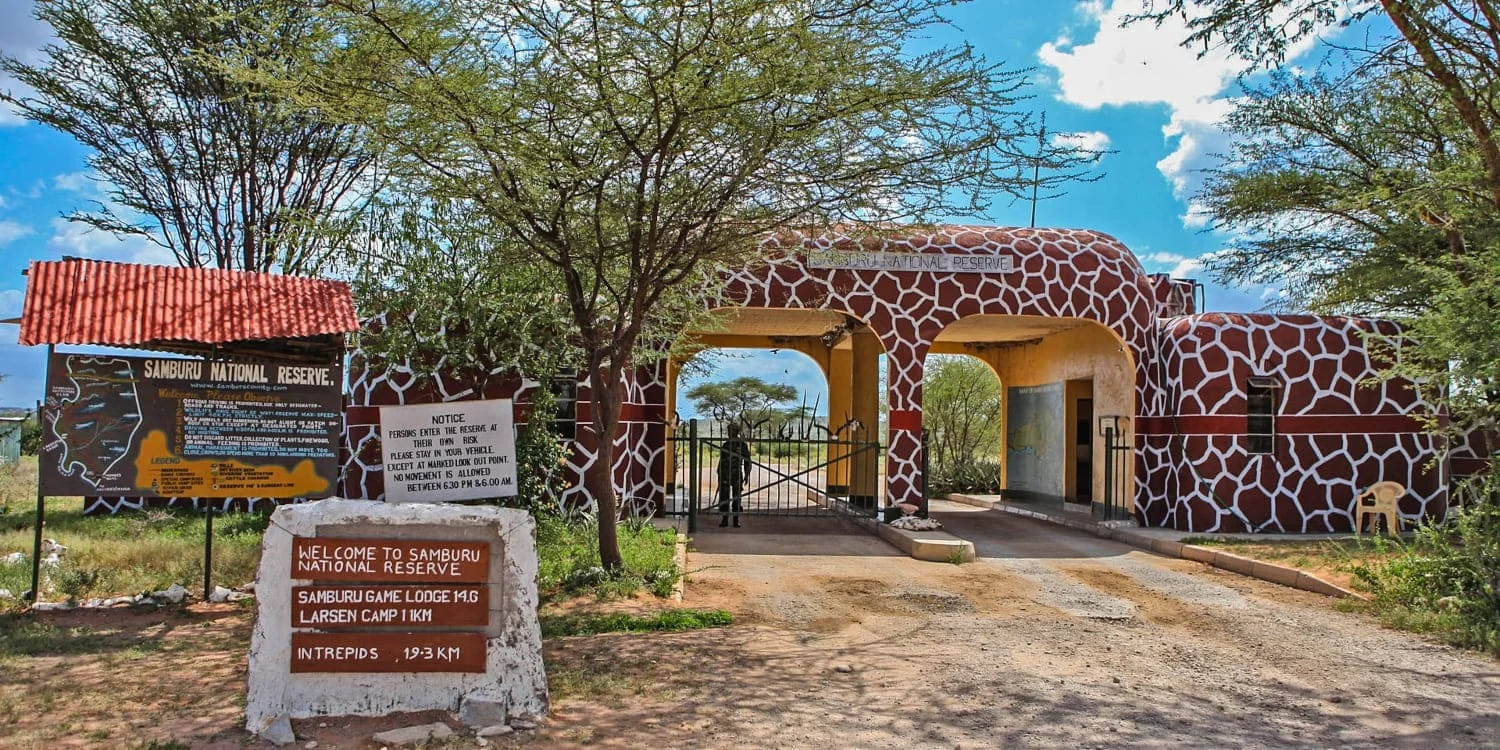
Everyone’s heard of the Big Five in Africa but did you know Samburu National Reserve is home to its own unique set of rare animals? Known as the Samburu Special Five, these distinctive species can only be found in Northern Kenya and a few neighboring regions. A Samburu safari isn’t complete without spotting these elusive creatures. In this guide, you’ll learn who they are, why they matter, and how to spot them on your next wildlife safari in Samburu.
What Are Samburu’s Special Five?
The Samburu Special Five refers to a group of rare and endemic animals that thrive in the arid landscapes of Northern Kenya. Unlike the traditional Big Five, these species are uniquely adapted to dry, semi-desert environments and can’t be found in many other parks in Kenya.
Meet Samburu’s Special Five
1. Grevy’s Zebra (Equus grevyi)

The Grevy’s zebra is the largest and most endangered of all zebra species. It has thinner, closely spaced stripes and a white belly, making it easily distinguishable from the more common plains zebra.
-
Where to Spot It: Along the Ewaso Ng’iro River or grazing in open plains.
-
Fun Fact: Less than 3,000 remain in the wild and most are in Northern Kenya.
2. Reticulated Giraffe (Giraffa reticulata)

Known for its vivid, net-like coat pattern, the reticulated giraffe is one of the most photogenic animals in Africa. This species is native to Northern Kenya and parts of southern Ethiopia.
-
Where to Spot It: Browsing acacia trees or roaming open savannah.
-
Fun Fact: Their patterns are so distinct, no two giraffes have the same “reticulation.”
3. Beisa Oryx (Oryx beisa)

The Beisa oryx is a striking antelope with long, straight horns and distinctive facial markings. Perfectly adapted to dry conditions, it can survive without water for long periods.
-
Where to Spot It: In dry scrubland and near the foothills.
-
Fun Fact: Its horns can reach up to 1 meter and are used for defense.
4. Gerenuk (Litocranius walleri)

Also called the “giraffe gazelle,” the gerenuk has an unusually long neck and slender body. It often stands on its hind legs to reach high foliage an impressive and almost comical sight!
-
Where to Spot It: Near shrubs and bushy areas, often browsing alone or in small groups.
-
Fun Fact: Gerenuks rarely drink water—they get moisture from the plants they eat.
5. Somali Ostrich (Struthio molybdophanes)

Unlike the more widespread Masai ostrich, the Somali ostrich has blue-grey legs and neck with fine white feathers. It’s found only in the Horn of Africa and parts of Northern Kenya.
-
Where to Spot It: Roaming open plains or scrubland.
-
Fun Fact: Despite being flightless, it can sprint up to 70 km/h (43 mph)
Why the Special Five Matter
These animals represent biodiversity and endemic wildlife conservation in Northern Kenya. Several of them, like the Grevy’s zebra, are endangered and protected through conservation efforts in Samburu and neighboring reserves like Buffalo Springs and Shaba.
Conservation-focused safaris to Samburu support:
-
Local community livelihoods
-
Wildlife protection programs
-
Sustainable eco-tourism
Tips for Spotting Samburu’s Special Five
-
Hire a knowledgeable guide: They’ll know the best spots and behaviors of the animals.
-
Early morning and evening game drives offer the best lighting and wildlife activity.
-
Use binoculars and a telephoto lens for clear views and great photos.
-
Stay in a lodge or camp near water sources or open savannahs—prime viewing zones.
Photographing the Special Five
Samburu’s golden light and open terrain are perfect for wildlife photography. Aim for:
-
Golden hour (6:30–8:00 AM and 5:00–6:30 PM)
-
Low ISO settings to avoid grain in shadowy conditions
-
Use zoom lenses (200mm–400mm) to capture detail without disturbing the animals
Where to Stay for the Best Special Five Viewing
-
Saruni Samburu – Elevated lodge with panoramic wildlife views
-
Sasaab Lodge – High-end, close to riverbanks where wildlife gathers
-
Ashnil Samburu – Great value and excellent access to game drive routes
-
Elephant Bedroom Camp – Wildlife often walks through camp!
Conclusion
The Samburu Special Five are a must-see for any wildlife enthusiast or photographer visiting Kenya. They offer a unique safari experience you won’t find anywhere else. From the long-necked gerenuk to the beautifully patterned Grevy’s zebra, each species tells a story of survival and adaptation in one of Africa’s most striking landscapes.
If you want to experience rare African wildlife without the tourist crowds, a Samburu safari is your perfect adventure. Book with us now to spot the special 5.


